KingsTim launched its careers olympiad on a platform of its own
On 15 September 2026, KingsTim's quest-based careers olympiad platform went live, eleven weeks after the first line of code. Children from kindergarten through 12th grade take tests with a video lesson and timer, while the lessons are edited in a studio we built right into the admin panel.
 Владислав БарковManaging Director
What did KingsTim need?
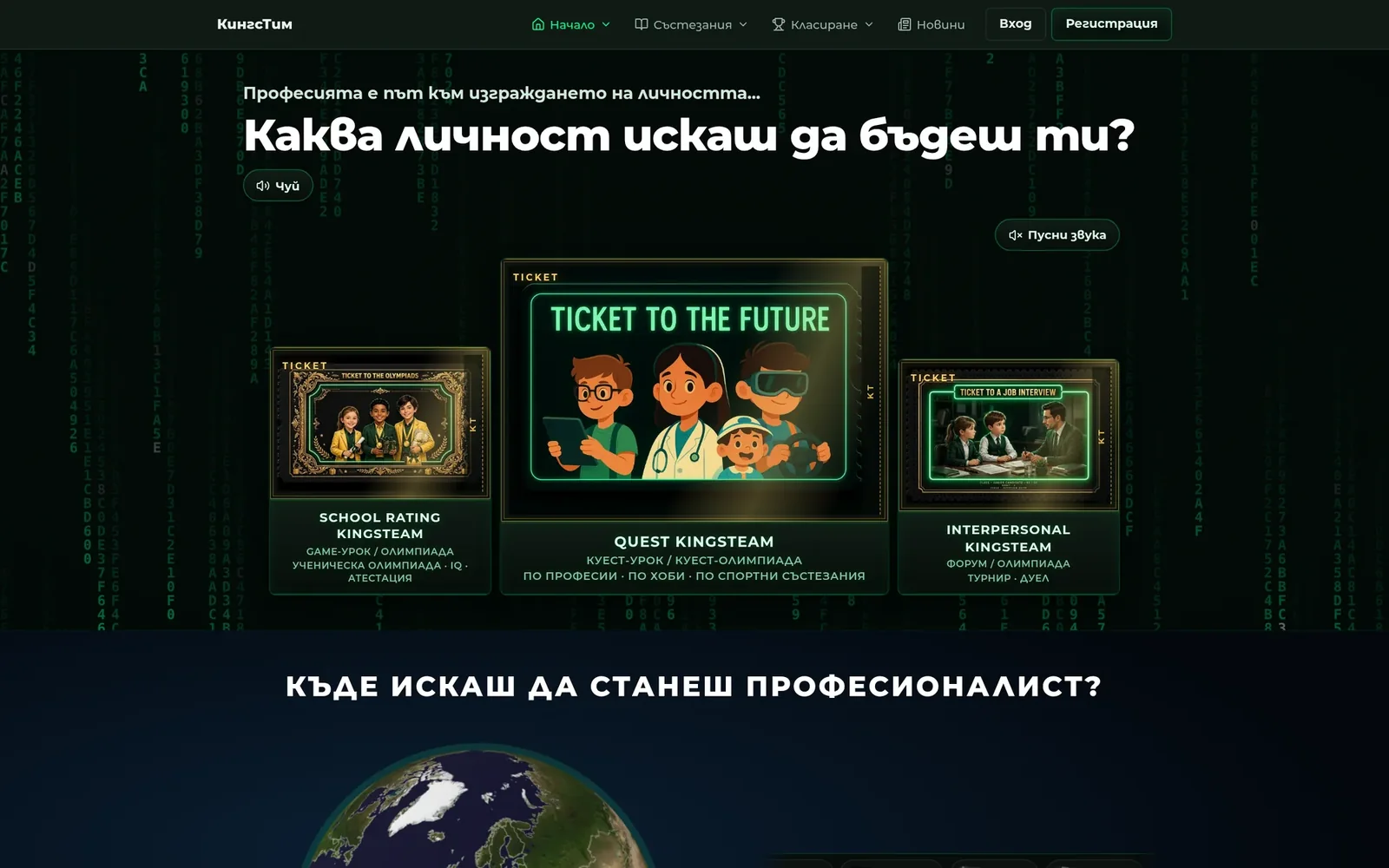
KingsTim runs quest-based careers olympiads for children from kindergarten through 12th grade. The child chooses a country, city and type of competition, signs up for a career such as “Detective”, “Architect” or “Doctor”, and goes through qualification, final and superfinal rounds. Each round starts with a video lesson, and the questions must appear at exactly the second when the lesson reaches them. The launch was announced for 15 September.
What did we build?
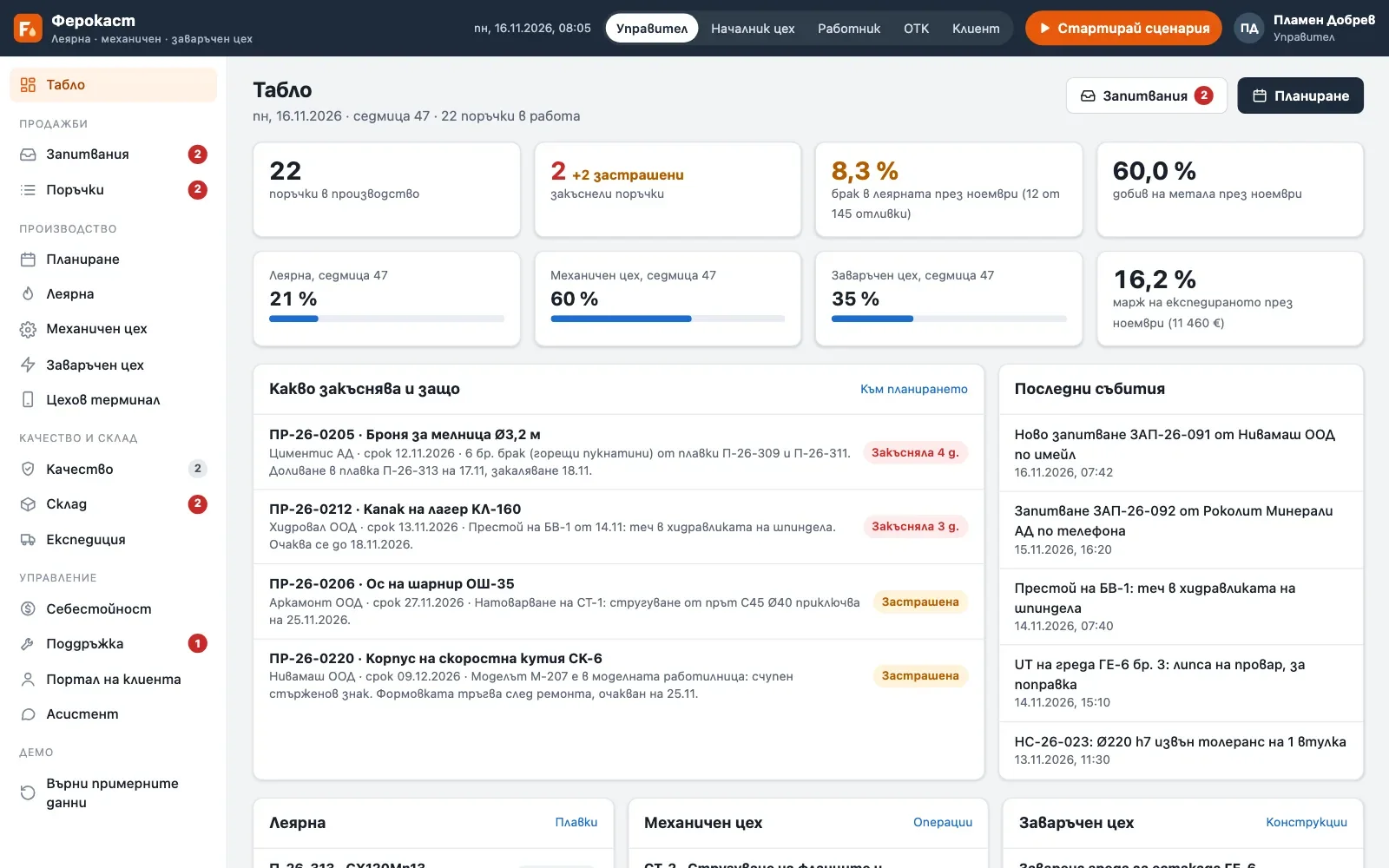
- Eight roles, each with its own dashboard: student, graduate, teacher, kindergarten teacher, expert, manager, sponsor and administrator.
- A register of 3 524 schools and kindergartens in 5 414 populated places, imported from the public register of MON.
- Timed tests, with images and mathematical symbols, video-based questions and a code word for each round.
- Registering the entire class: the teacher registers and pays for all the students at once.
- A PDF certificate with a QR code, which can be verified publicly without showing the child's name.
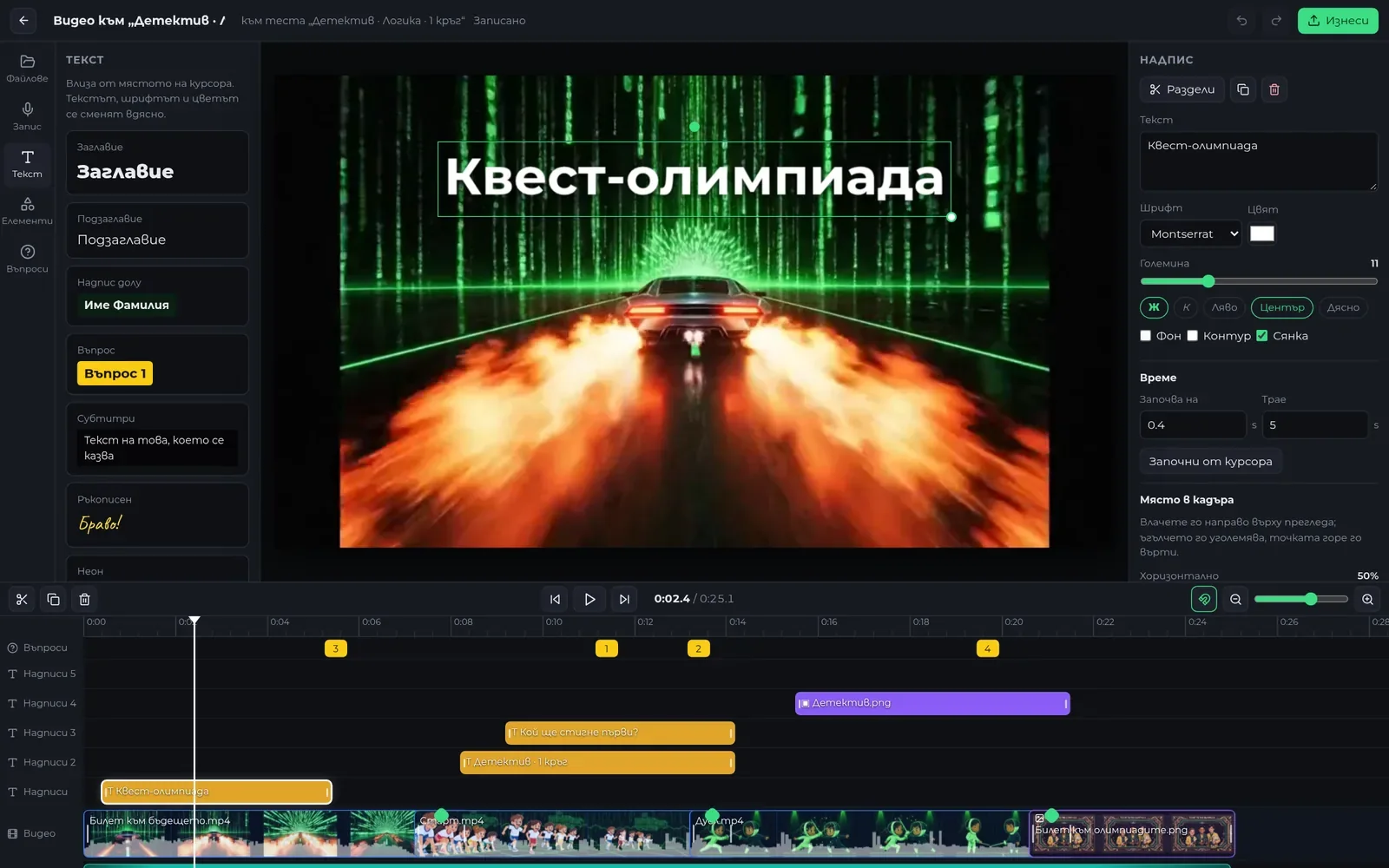
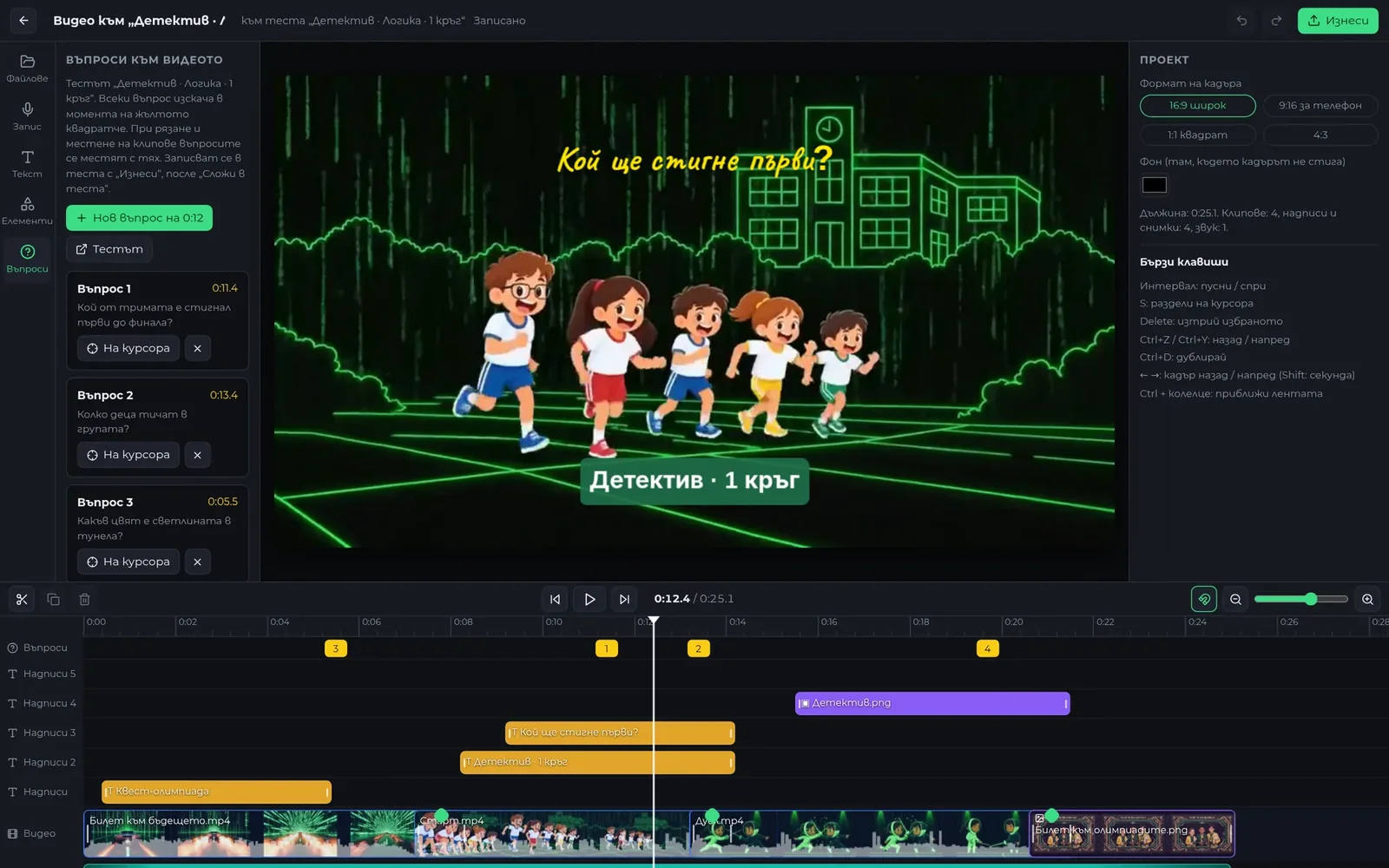
- A video studio in the browser with 13 transitions, captions, camera recording and Full HD export.
How do you edit a lesson with questions?
The client wanted to edit the lessons themselves, as in CapCut or Filmora, without installing any software. Video, images and music are dragged onto the timeline, while clips can be cut, sped up and colour-graded, and captions and stickers can sit on up to eight tracks stacked on top of one another. The test questions are markers on the timeline itself: move a clip and they move with it. The finished video is assembled on the server with FFmpeg in three steps because the lessons are 35 minutes long in 1080p, while the machine has 2 GB of memory.
The full project, including the studio screens and one participant's journey, is in the KingsTim case study.