























Elevators · 2024
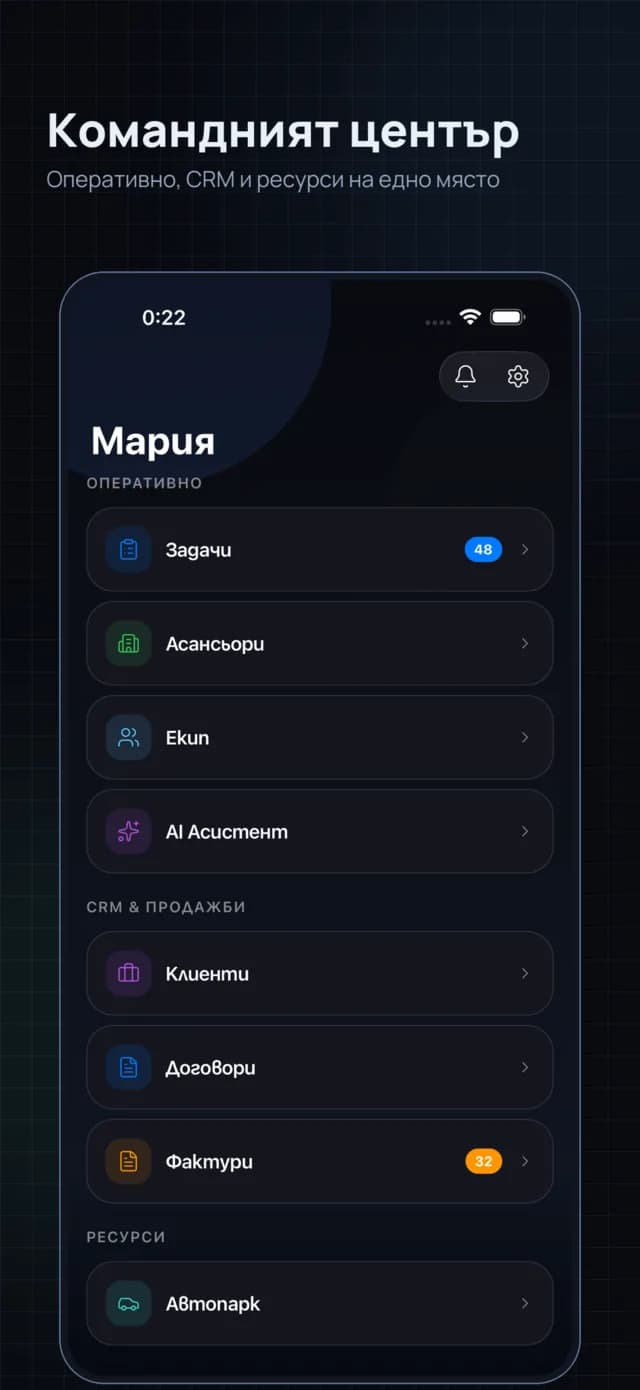
LiftexPro - ERP for elevator companies
A SaaS ERP system for elevator companies — from inspection scheduling and building management to a mobile app for technicians and automated invoicing.
Next.js.NETReact Native
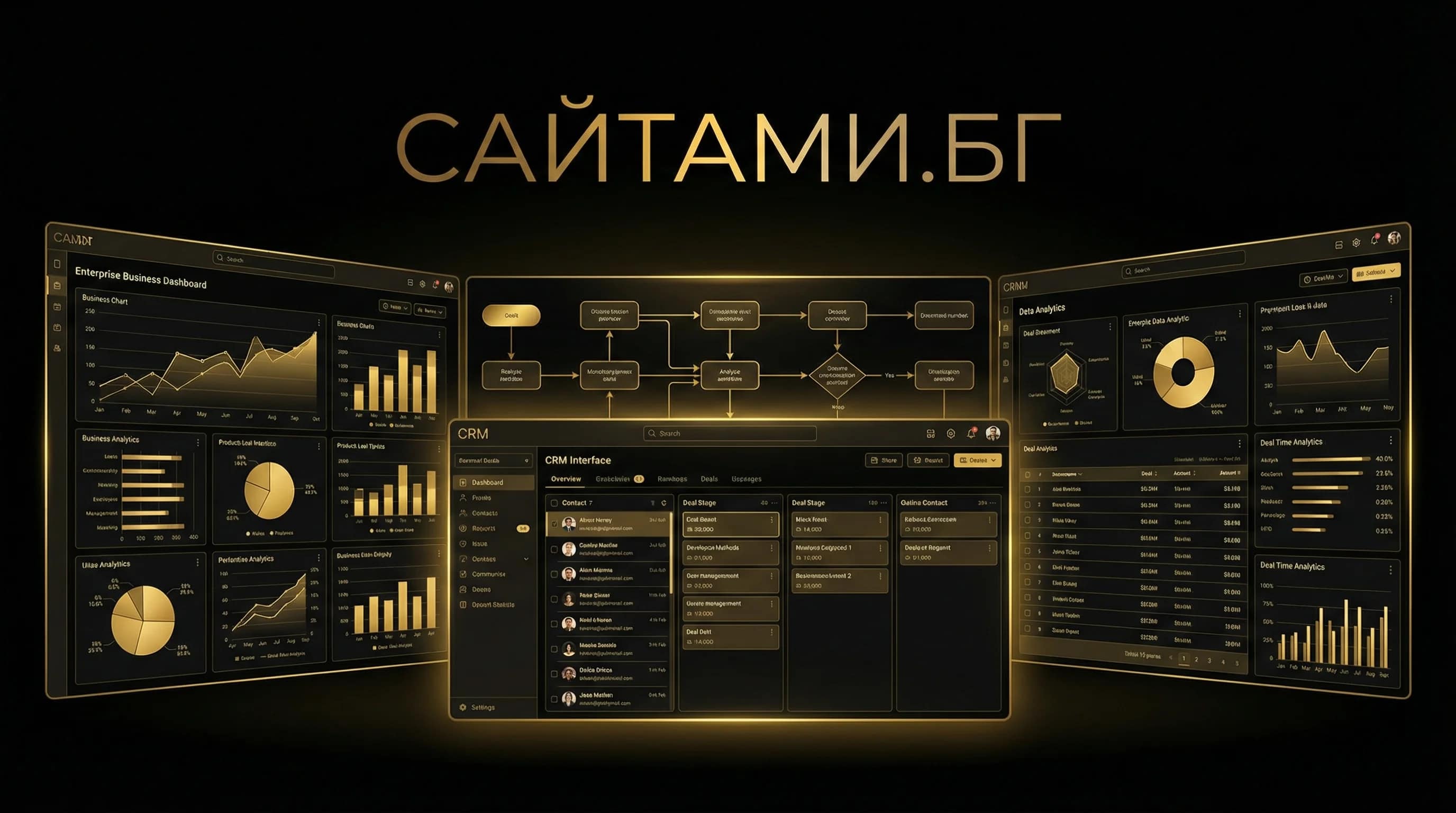
We start with one process that currently runs through Excel, email and chats—requests, approvals and reports. We build a system with roles, steps and notifications, while data is transferred automatically between programs. Examples include importing requests from email in the Testen Dom demo and AI-powered invoice recognition in the Ekovat demo.
Spreadsheets become screens with user roles and input validation.
The request goes through the people who need to approve it, in the right order.
Invoices and documents are recognized and entered automatically, as in the Account-X and Ekovat demos.
Email requests are entered into the system without retyping, as in the Testen Dom demo.
Reports are generated from data in the system, not from spreadsheets sent by email.
A SaaS ERP system for elevator companies — from inspection scheduling and building management to a mobile app for technicians and automated invoicing.
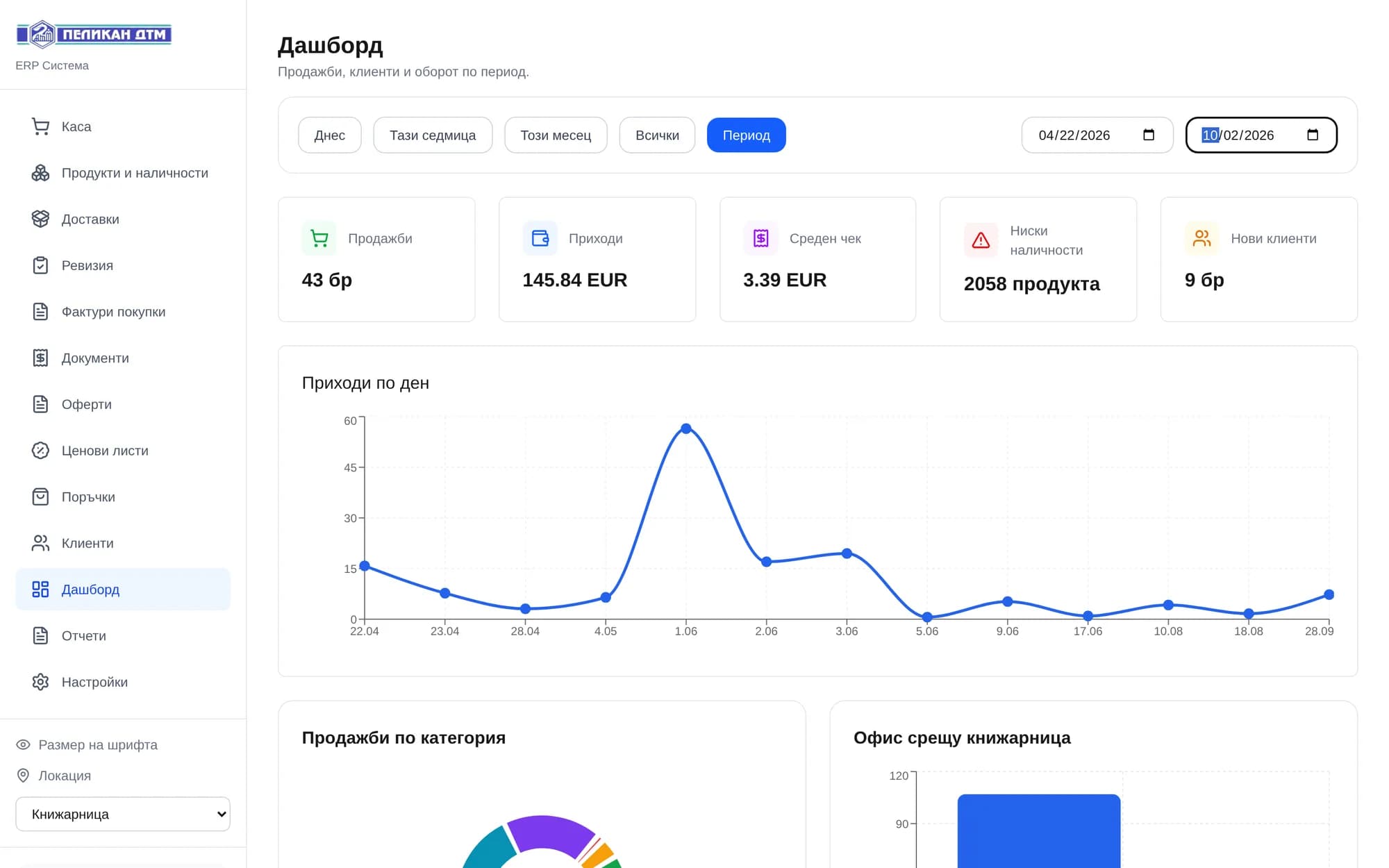
An integrated business process management system for an office equipment distributor: two locations, 2 564 products, a checkout with a barcode scanner, deliveries, purchase invoices, PDF documents, quotations, price lists, stocktakes, reports and a connection to the online store. Built as part of a project co-financed by the European Union.

Custom ERP system with AI-powered email, an integrated SIP phone, CRM, ticketing system and business process automation.
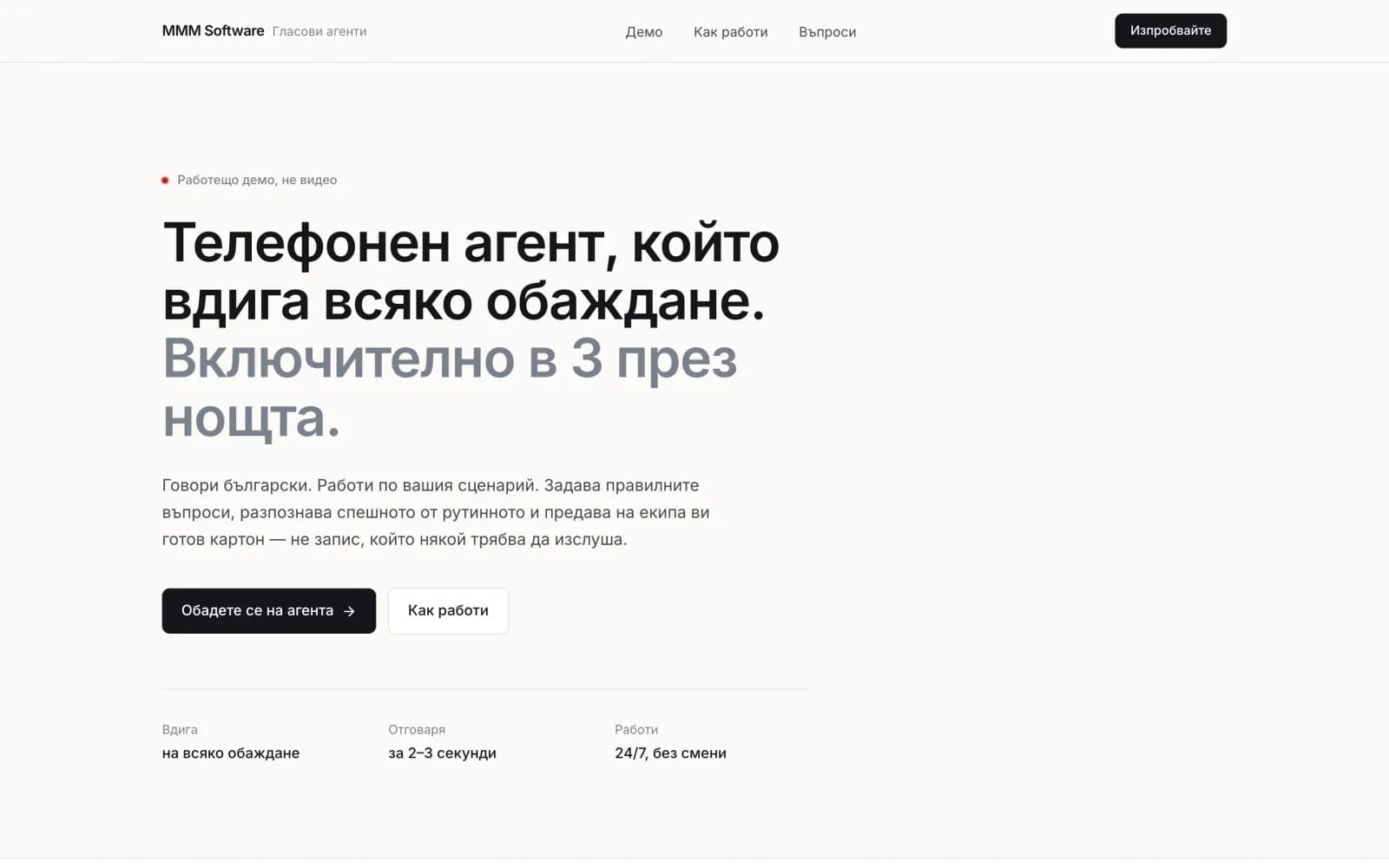
An AI phone agent that answers every call — speaks Bulgarian according to your script, distinguishes urgent issues from routine ones, and hands your team a ready-to-use case file, not a recording.
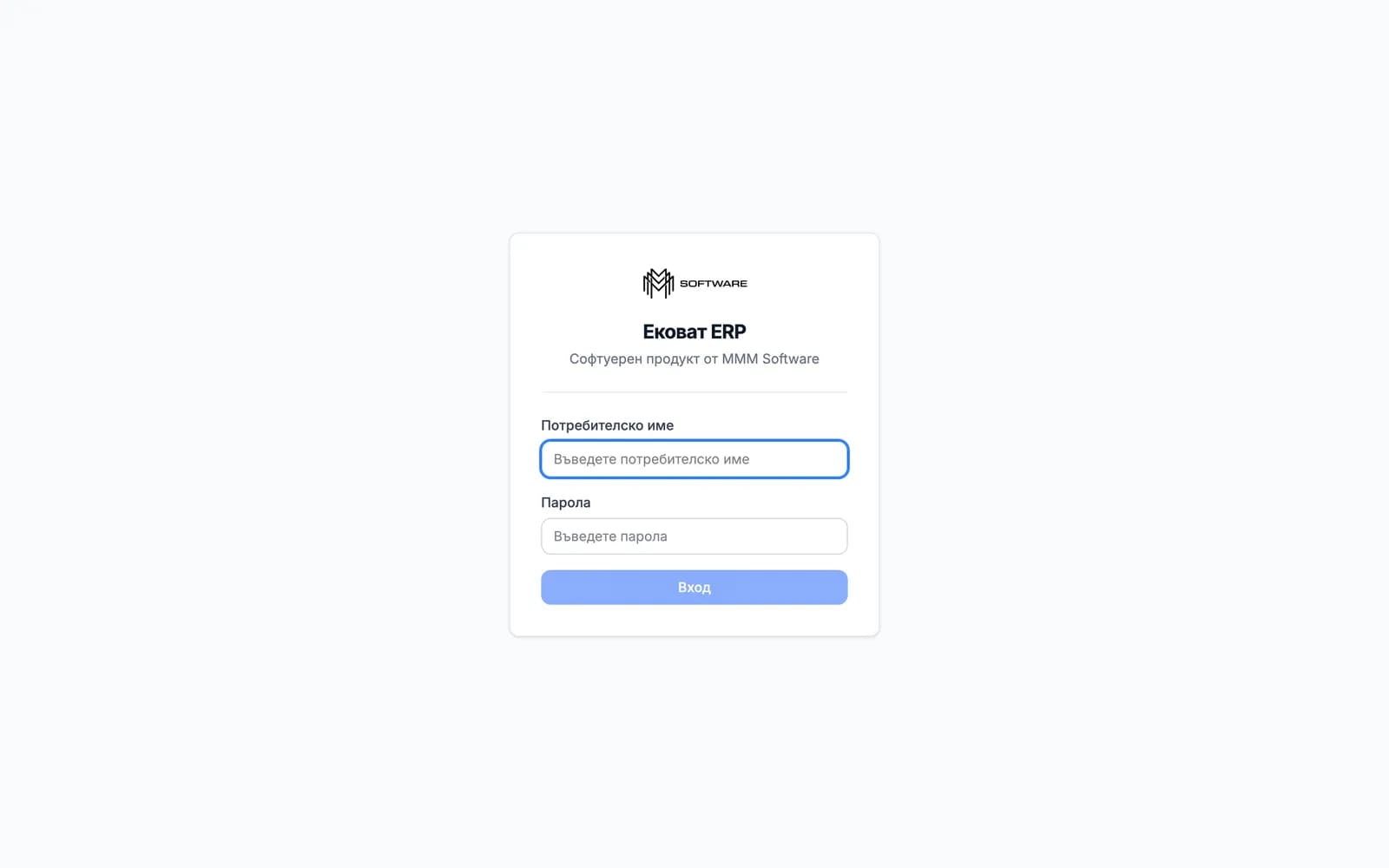
Custom ERP for a company with field operations — requests, work orders, fleet, inventory, and AI-powered document and invoice recognition.
Complete call center infrastructure built from the ground up — Vicidial + A1SIP for VoIP telephony, call recording, custom CRM with live monitoring, ERP for operations management, and a B2B website.
Each one opens in your browser with a single click.
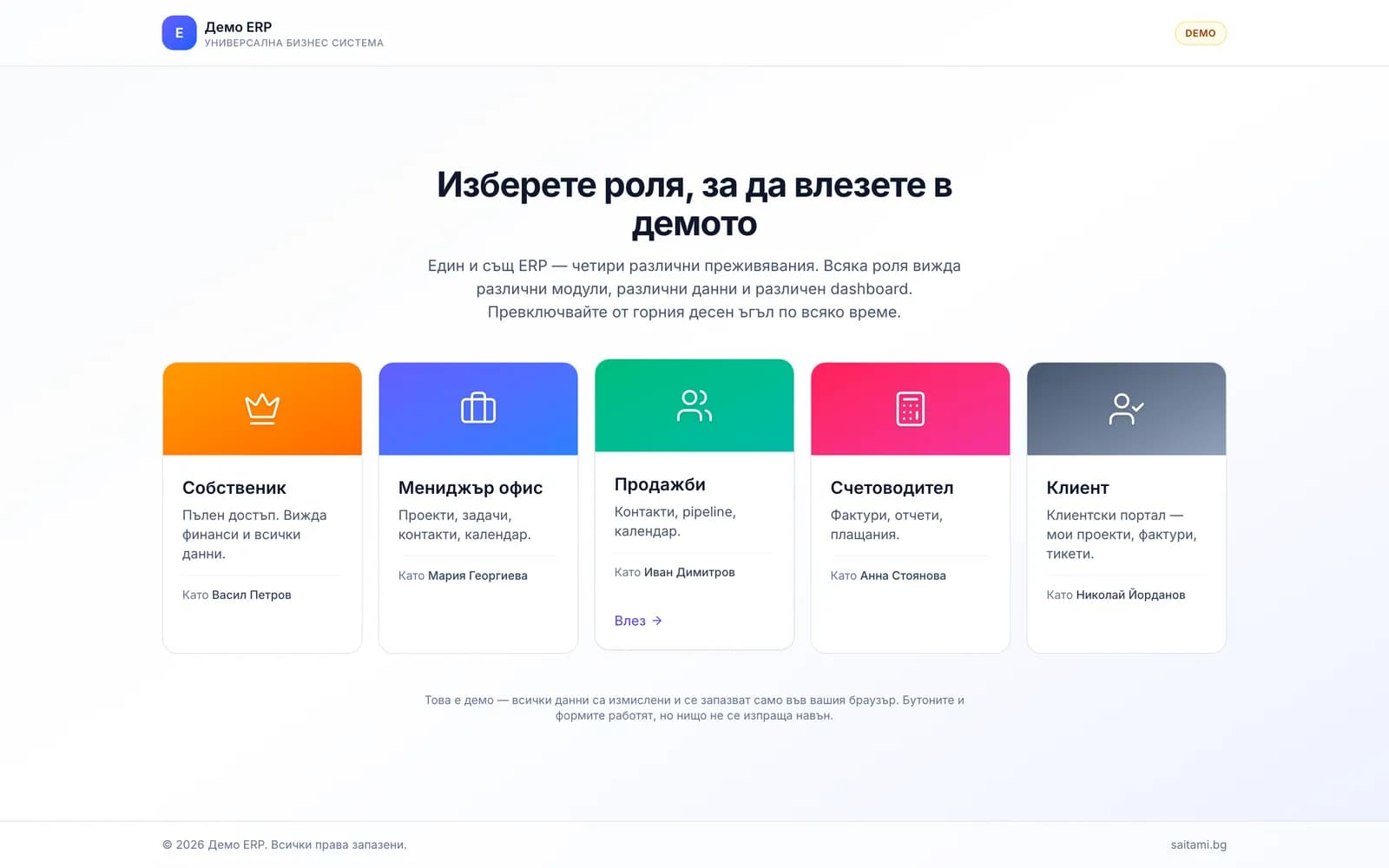
Contacts, projects, tasks, invoices, calendar and reports in one system.
Open demo system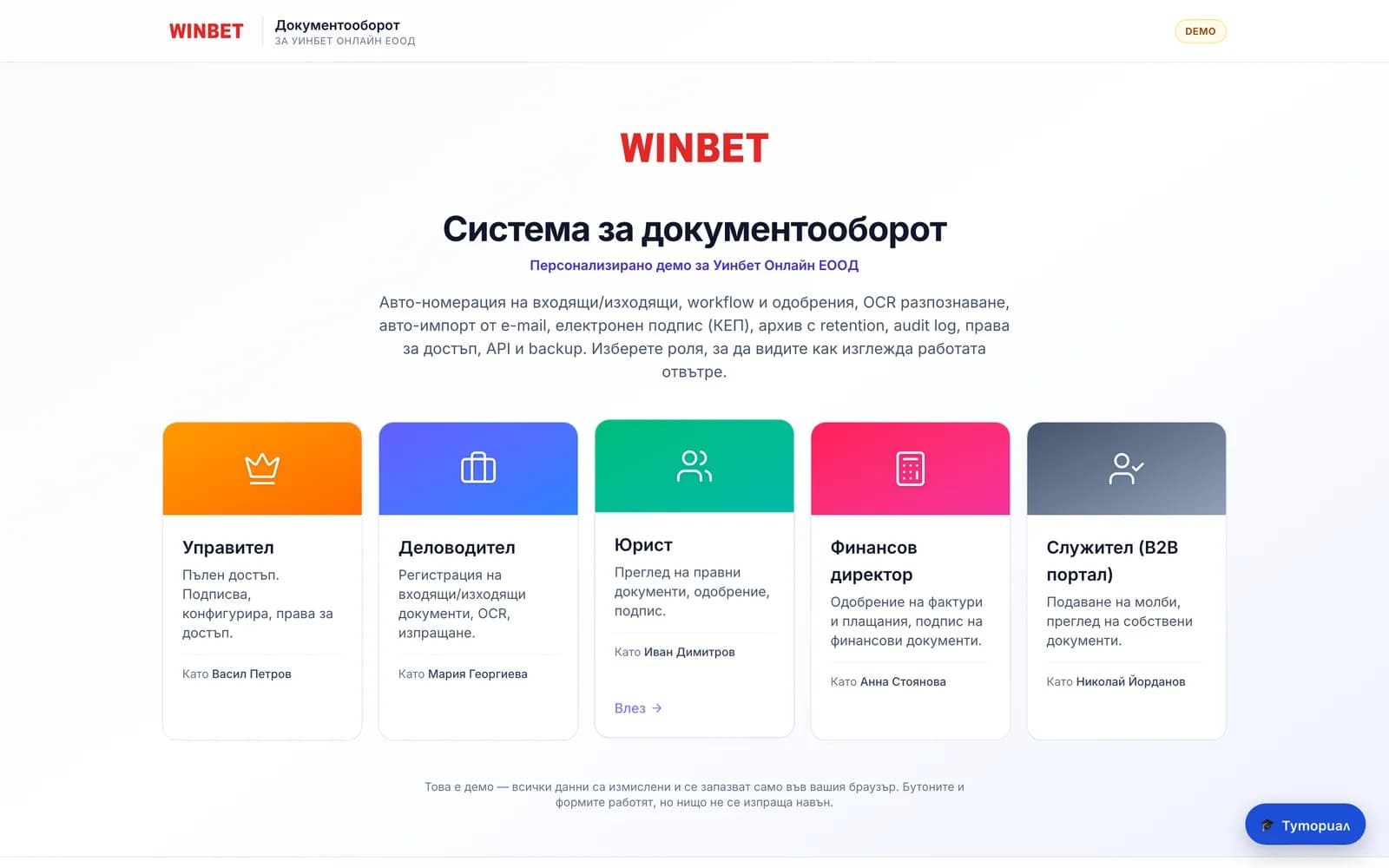
Incoming and outgoing reference numbers, importing from email, approvals, qualified electronic signatures, natural-language search, an archive with a retention period and an activity log.
Open demo system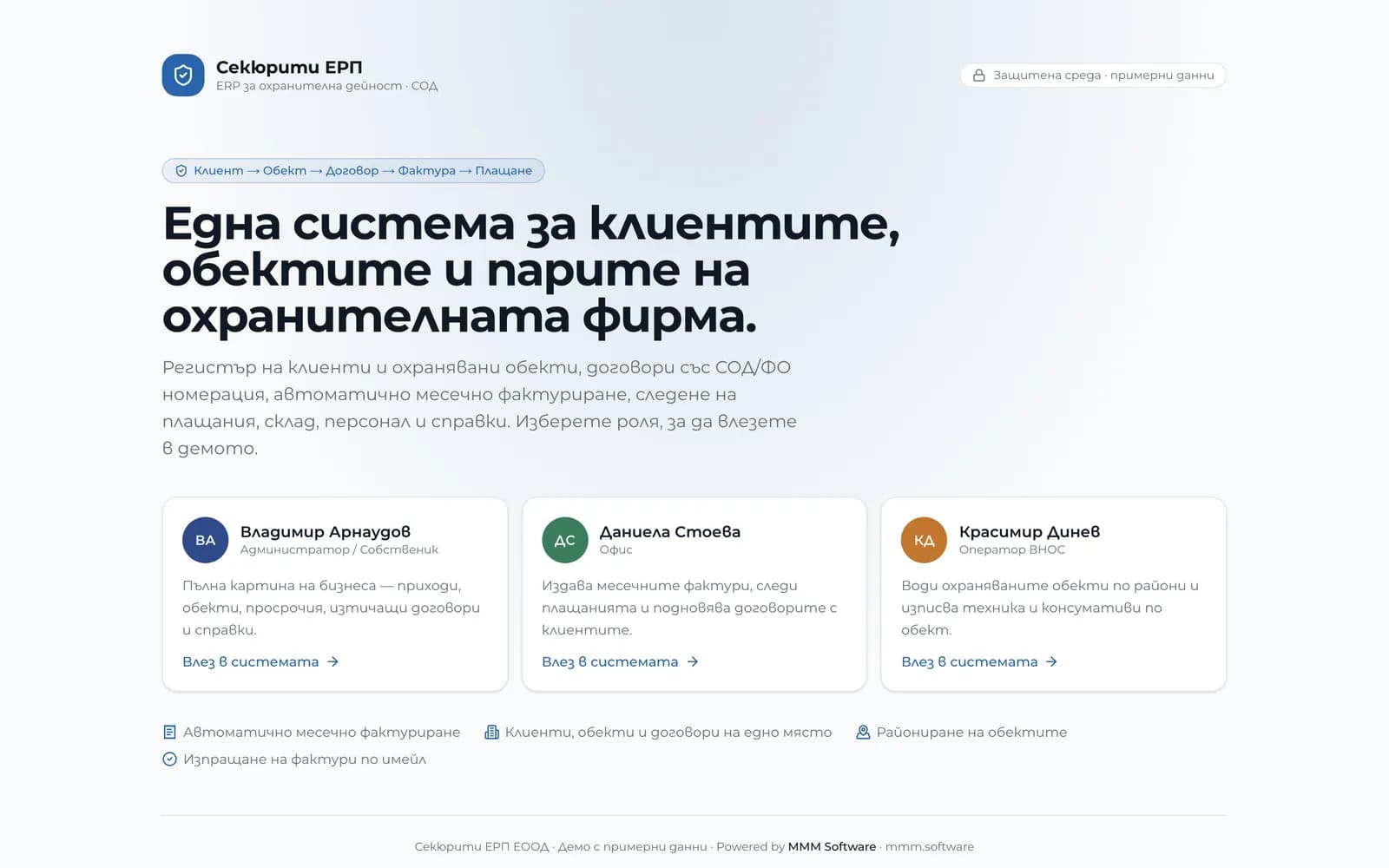
Sites and contracts for security and guard services, monthly invoices by contract, patrols on a GPS map, areas, inventory, and staff.
Open demo system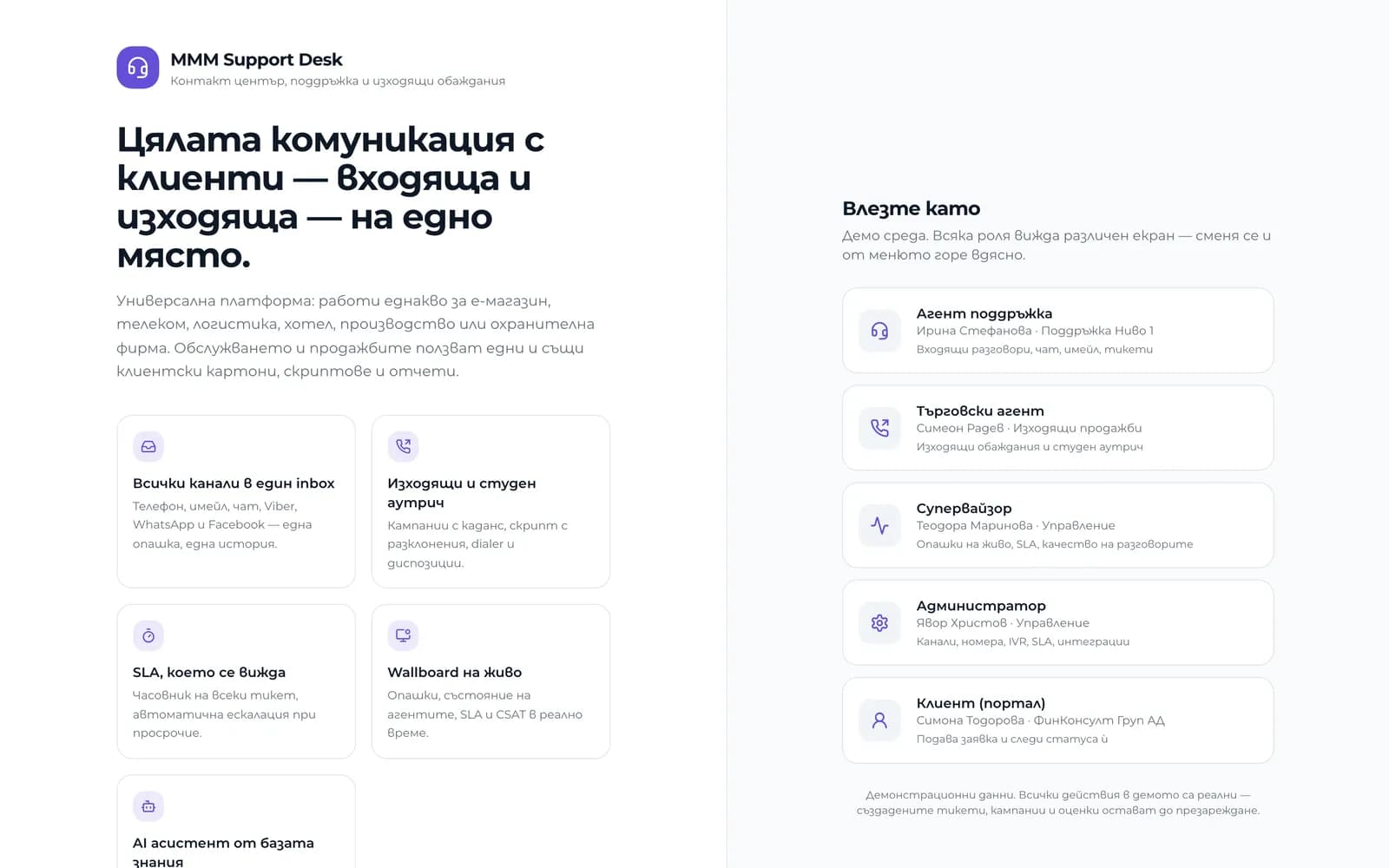
Calls, email, chat, Viber and Facebook in one list, tickets with deadlines, outbound campaigns with a script, a live dashboard and an AI assistant.
Open demo system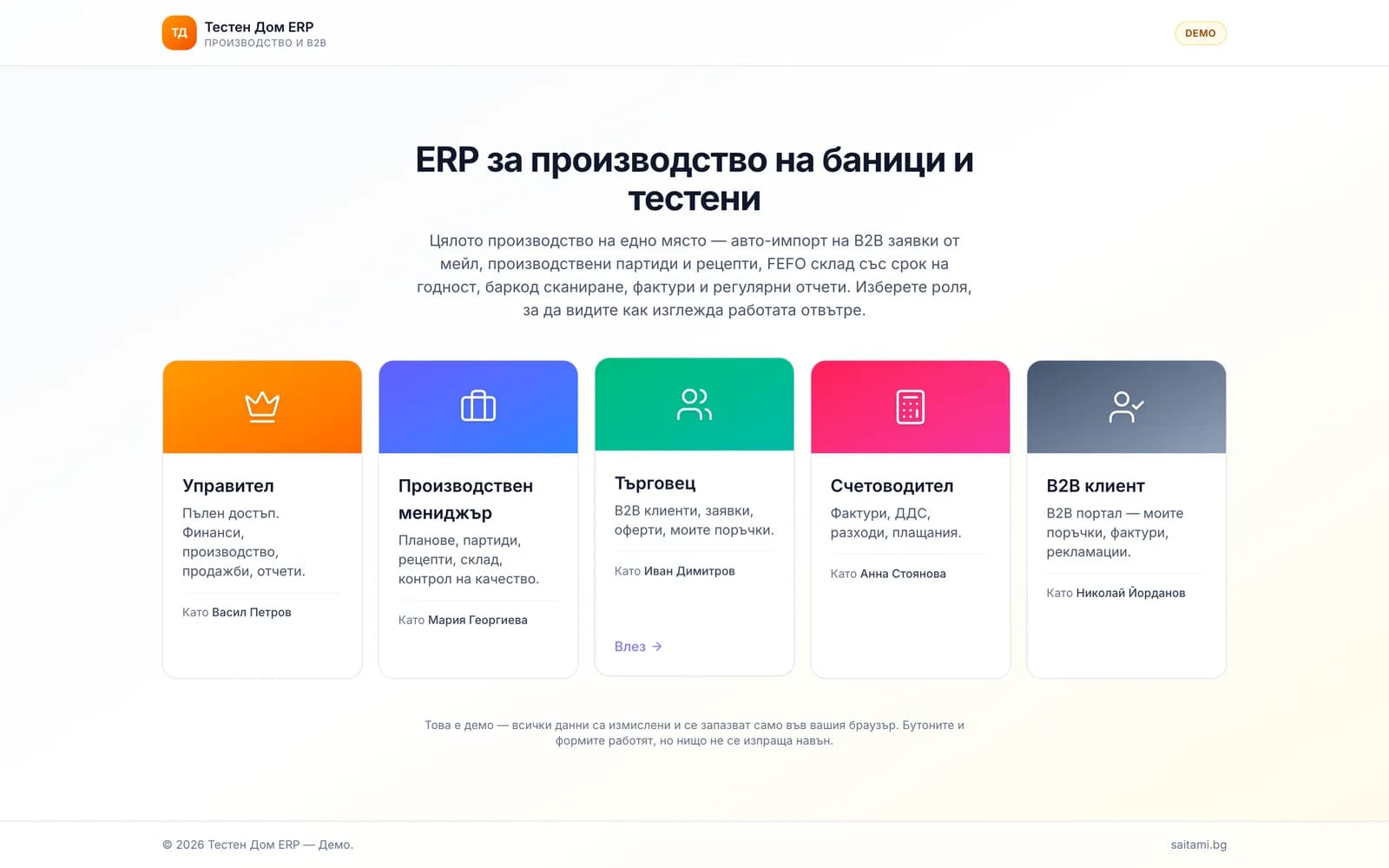
Company requests by email, production planning by lines and shifts, recipes and cost calculation, batches with expiry dates, barcodes and routes.
Open demo system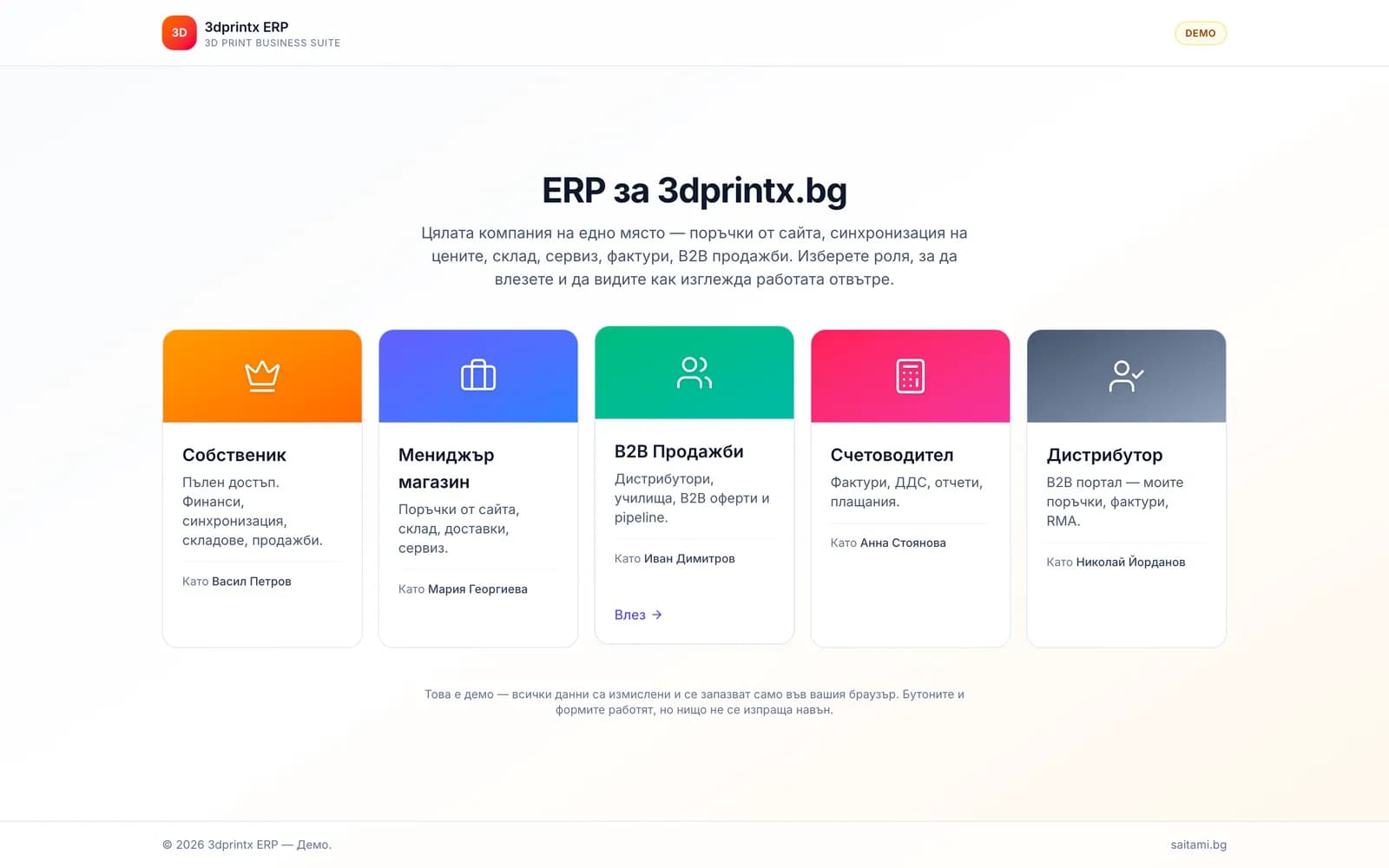
Two-way pricing between the website and the system, online orders, inventory with shipment tracking, serial number-based servicing, and business-to-business sales.
Open demo systemWho does what today, and in which files and programs.
We ask about the steps, people and programs and give you a price range.
We show the process as a system built around your steps.
Scope, integrations, exact price and timeline.
We launch the first process and add the next ones.
Business process automation: €3,000-€29,300, typically around €8,600. The exact price is included in the written proposal.
It depends on the scope, which we set out in the proposal. For comparison, here are examples from our portfolio: Pelikan DTM: since April 2026, continuously developed, Elite Call Center: 6 months, LiftexPro: 8 months.
Yours. The code and data are handed over with the project.
If you wish, we can maintain the project for €100-€350 per month. We specify what maintenance includes in the quote.
Yes, if they have an API or can export files. When they cannot, we look for another way to exchange data and tell you about the risks in advance.
Yes. Our file shows us the fields and rules, and we transfer its data into the system.
We start with one process, and the system can grow into an ERP when we add inventory, sales and invoicing.
Web systems, platforms and mobile apps built around your process, with code that belongs to you.
An ERP system built around your processes: inventory, sales, invoices, reports, and roles in one web-based system.
We connect your website, store, ERP and CRM system with payment providers, couriers, telephony and notifications, so you don’t have to re-enter data.
An AI assistant that answers customers about your services, prices and terms and hands the conversation over to a person.
We only use analytics and advertising cookies if you accept them. The site works without them too. Details ·